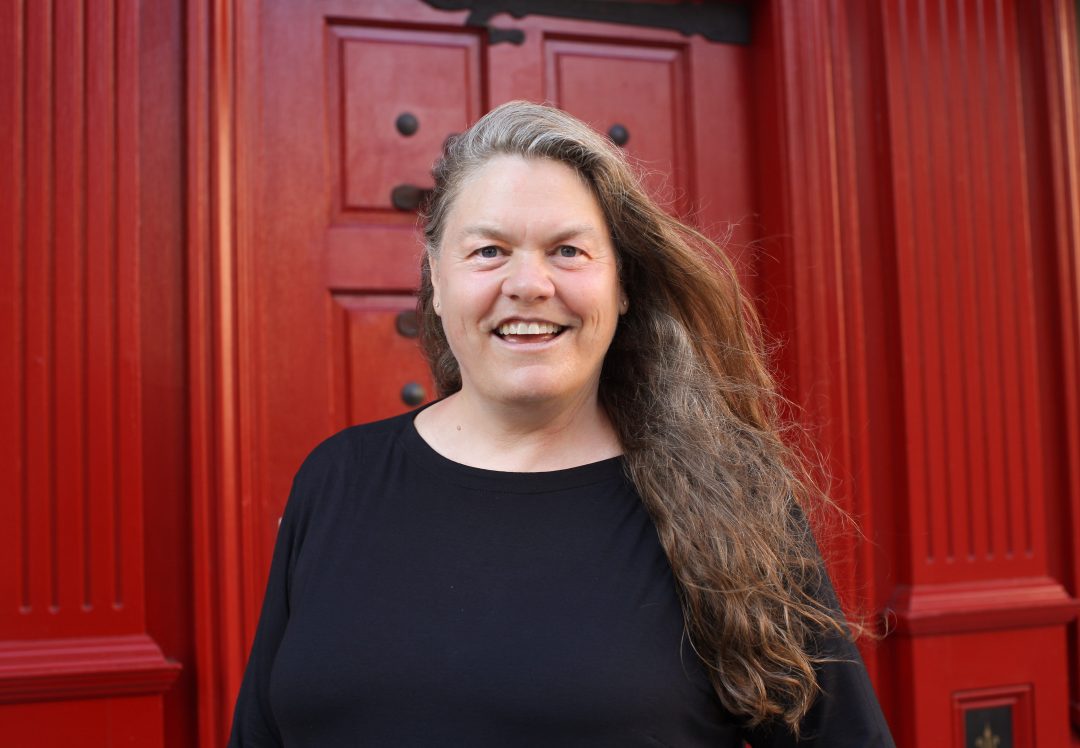
 "The birth of my son completely crystallized all of my priorities. Anything other than my son moved into 2nd, 3rd, 4th place. He is still my foundation from which I live my life." - Judy Walgren is the editorial director at Viewfind.com.
Ella Romancito
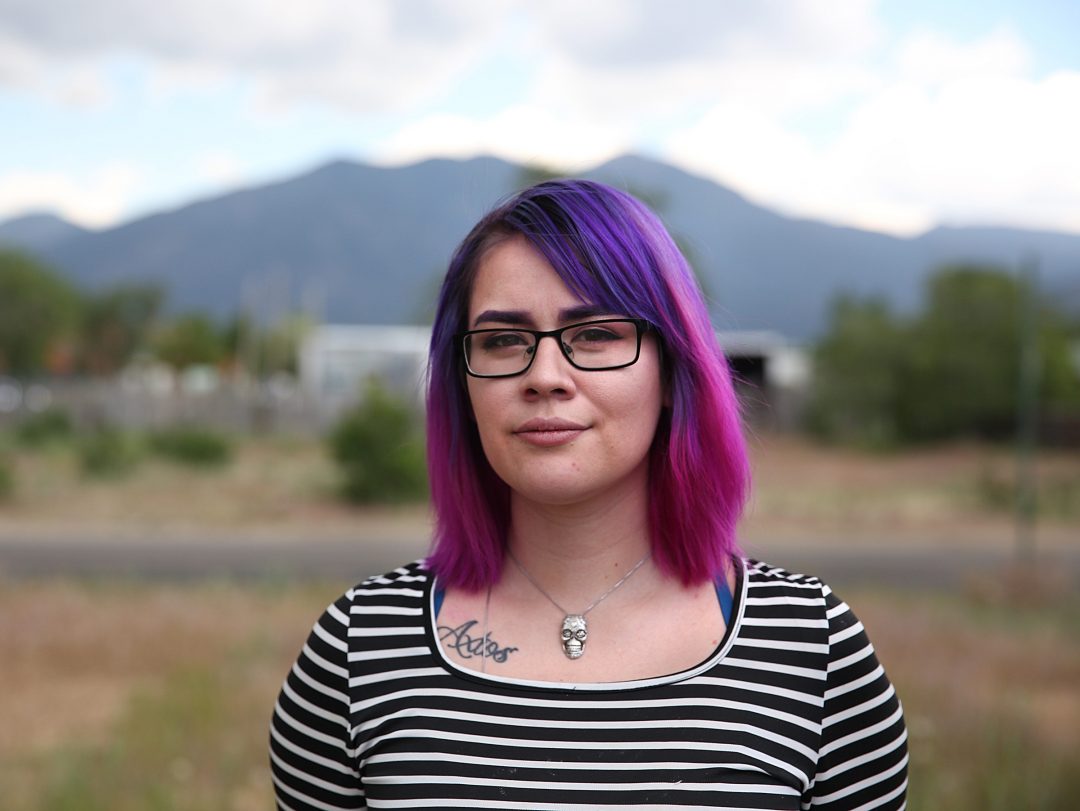 "Having a child has changed my life. I didn't go to college but I did want to go. Now I am just trying to make it in this town without a college degree. But even if you do have a college degree the options are either working at Walmart or working some job on the Plaza. Rent is expensive and the locals can't afford it. Motherhood is hard and I am just trying to get enough sleep. I still feel like I have bouts of postpartum depression and I am just trying to have enough motivation to get out of bed." - Ella Romancito is a young mother living in Taos, New Mexico.
Arlene Pitterson
 "I created and managed a five city tour called "My Black is Beautiful". It was an ad campaign for Proctor and Gamble and was a free beauty event for the audience/attendees. We went to Atlanta, Charlotte, Chicago and New Orleans. It was great to bring these free performances and beauty events to these communities and if I wasn't a woman of color I wouldn't have had the insight to make the event as successful as it was." - Arlene Pitterson is an executive producer with Digitalflash
Sandra Elizabeth Lopez Cabrera
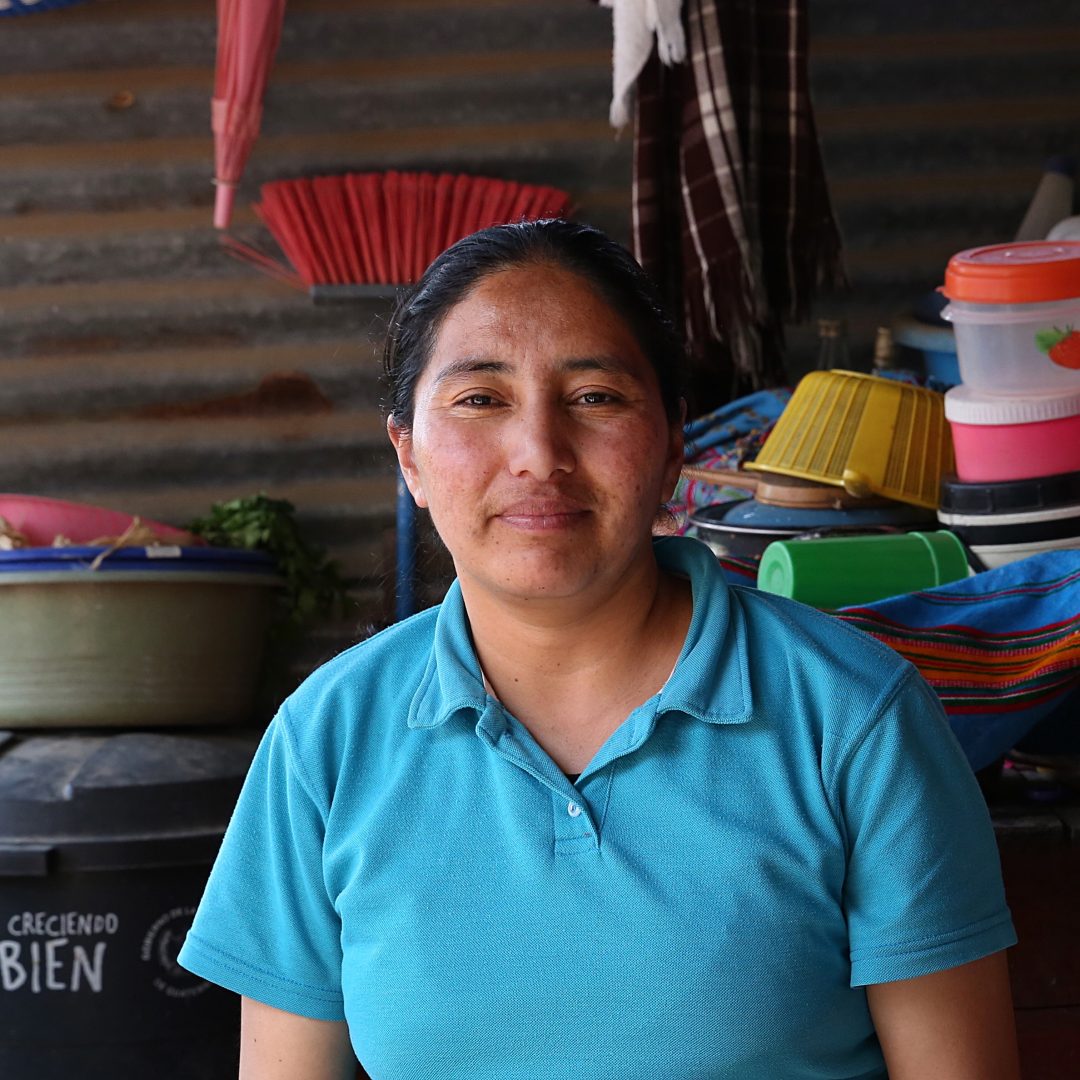 "My parent's, who are community leaders, really cared for me when I was growing up. My father always said, "You are a girl and you need to be cared for and protected." - Sandra Elizabeth Lopez is a kindergarten teacher from Xacana, Guatemala.
Maria Lopez Pega
 "I left school in the 6th grade. When I was young I fought with my father a lot and he didn't take care of us. We were 16 siblings in all and we sort of raised ourselves. Ten of us are still alive. I have three sons and two daughters but they don't take care of me. I am just trying to survive." - Maria Lopez Pega is a street vendor in Havana, Cuba and sells candy and chicharrones.
Dominga Lukas Castro
"When I was a teenager and studying to become a teacher I got pregnant and dropped out of school. At the time I thought my work and the rest of my life would be in the house and in the kitchen. But after participating in some community women's groups and raising three children with my husband, I decided to become a health promoter so I could earn my own money and go back to school. I earned Q300 which was enough to pay for my school materials and my uniform. I only had one uniform for all three years I was in school. I had to borrow money from my family so that I could buy the clothing I needed for my graduation. But I kept pushing myself toward my goals. It was hard but I just kept going. While raising 5 children, I became a teacher and now I am the Director of the School." - Dominga Lukas Castro is an educator and business owner in Huitan, Guatemala. She also gives literacy classes to her mother-in-law (yesterday's EVE) and older women in her community.
note: This project is dedicated to Dominga and you can read a longer version of her story on meandeve.com. It is the very first story published.
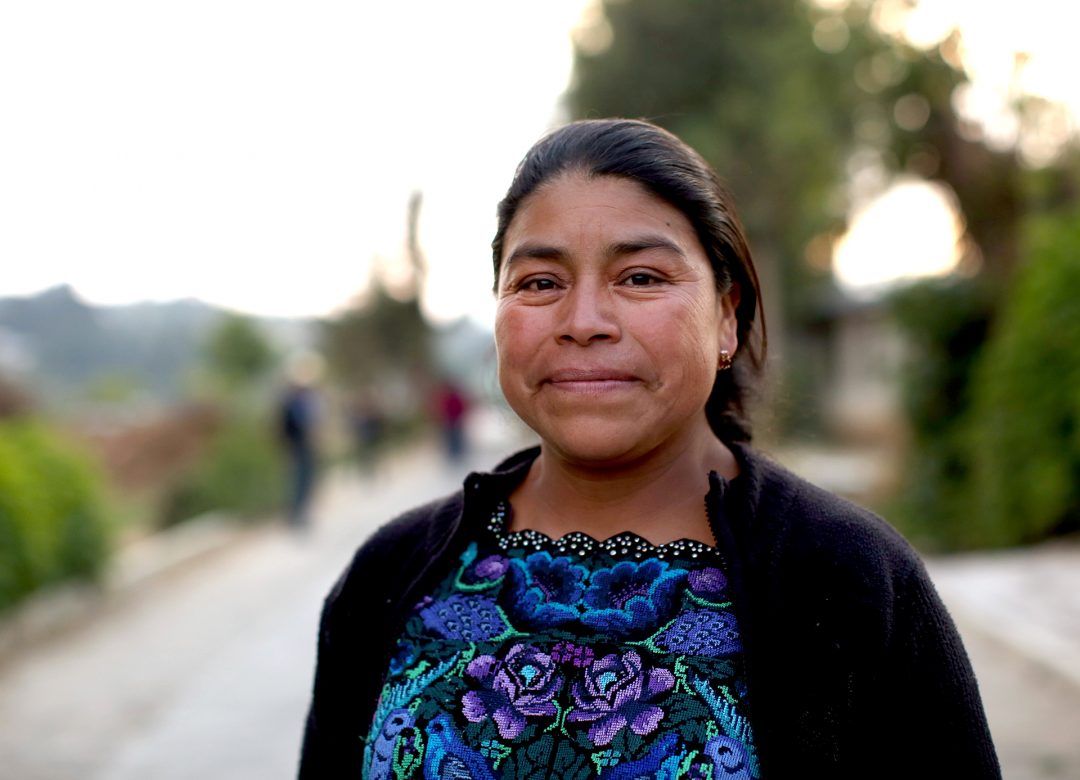
Juan Diaz Velasquez
"As a child I only attended school for two years. Back then the thought was, "Why send a girl to school when she only is going to wind up in the kitchen?" When I was 25 years old the Catholic Nuns came to my village and taught me the value of being a woman. The priest told us that men and women are equal. He said the only ones who say women aren't equal to men are men. The priest built the Colegio Asuncion here in Huitan so that the indigenous people here (the Mams) would be educated. All of my 10 children attended that school and 9 of them went on to become teachers. Now, I go to school every afternoon. My daughter-in-law, who is the director of the elementary school here, teaches a class for older women like me who didn't have the opportunity to go to school when we were young." - Dona Juana Diaz Velasquez lives in El Plan, Huitan, Guatemala and has been a community leader for many decades.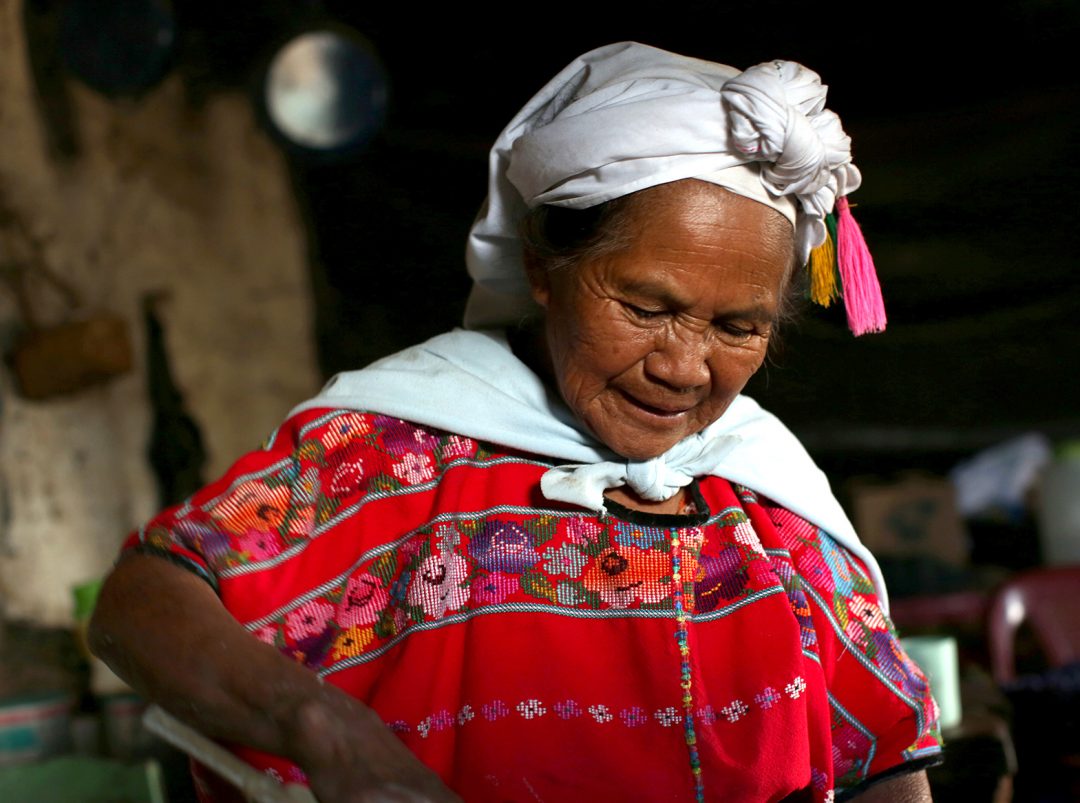
Ana Lucrecia Laynez Escobar
"At first my father didn't want me to continue my studies. He had given that opportunity to my older sisters but they broke his rules which were. NO BOYFRIENDS and ONLY STUDY, NOTHING ELSE. They never graduated. They went to school in the city, had boyfriends, got married and pregnant. I had to convince my father that I shouldn't be punished because they broke the rules. I told him that I was certain I would achieve my goals and become a nurse. I am studying now and my parents are really proud of me, but more importantly I am really proud of myself." Ana Lucrecia is a nursing student and a community health promoter for The Coffee Trust in Chel, Guatemala.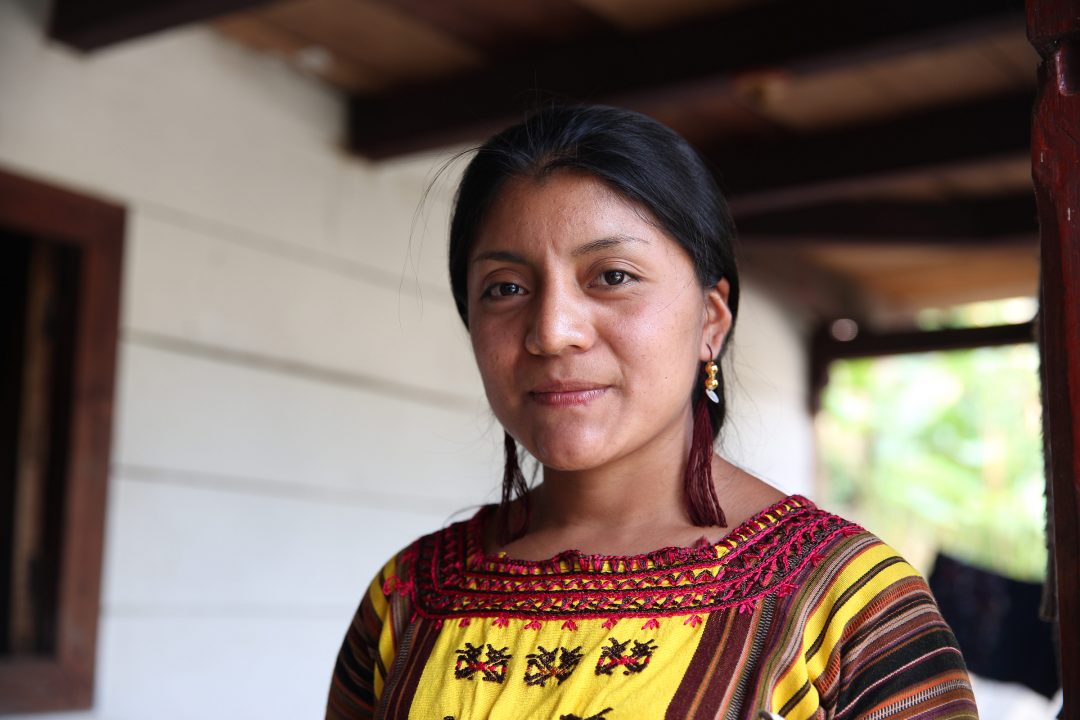
Maria Raymundo Cruz
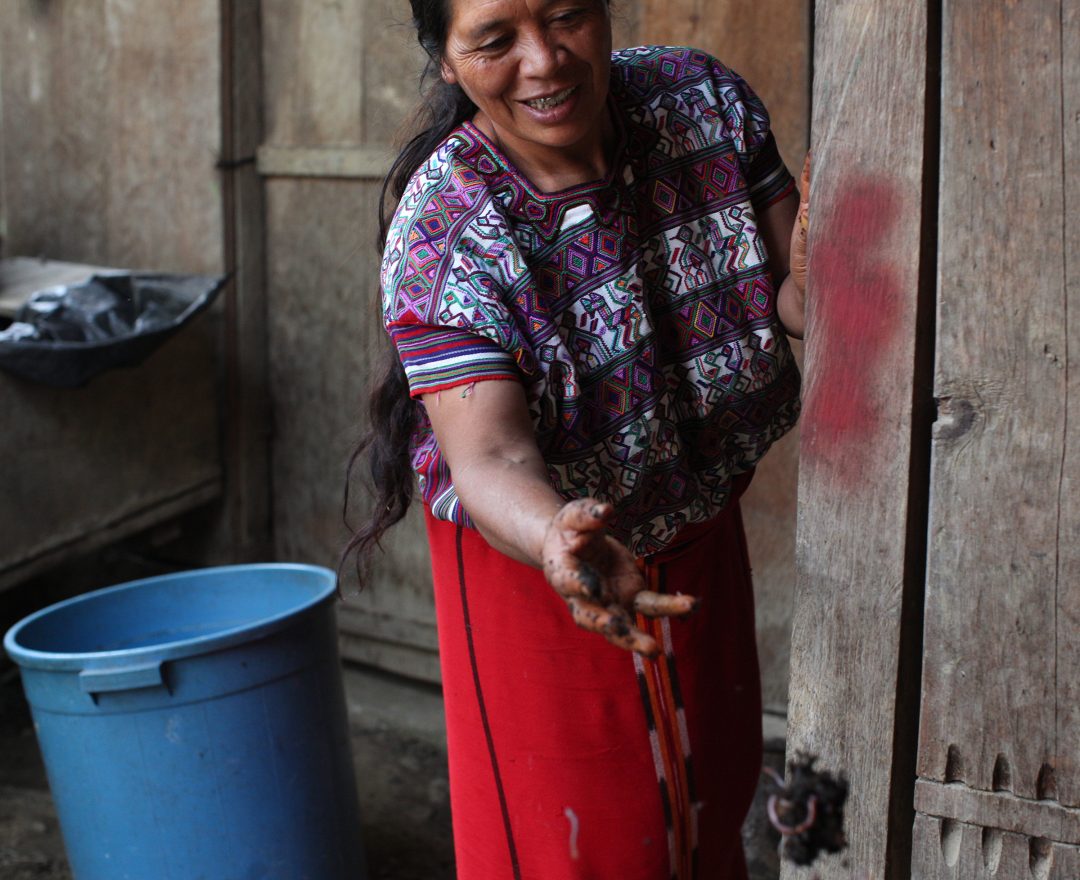 "During the Civil War, when I was 15 years old, I escaped with my parents into the mountains. We didn't have a house, we lived under a tarp for eight years. We planted corn and beans to survive, but we had no salt, we had nothing. When I was 19 years old and pregnant the army threw a grenade near me, and rocks flew and hit my head and I still have a scar. I was pregnant at the time. My brother was killed. After the war, we settled in Chel and we had to start over again with nothing. My husband left for the United States in January to look for work. He found part time work and hopes to find more work and not get deported." - Maria Raymundo Cruz lives in Chel, Guatemala and participates in The Coffee Trust food sovereignty program. In this photo she is pictured throwing worms to her chickens. Providing the chickens a source of protein will keep the chickens stronger and healthier.
Graciela Cabrera
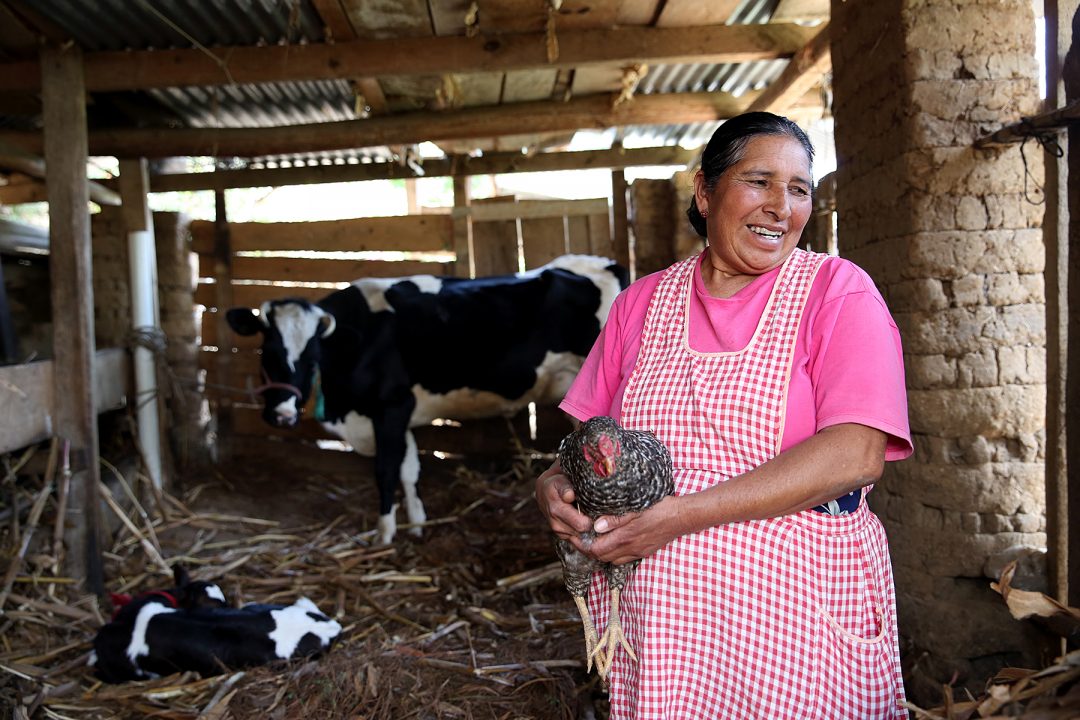 "I am enjoy my life. I am a mother, grandmother and in charge of taking care of the house. I have my animals and I enjoy all the blessings that God has given me. I am content and I feel happy to be living my life here in Xacana." - Graciela Cabrera lives in Xacana, Guatemala.
Diana Zeynab Alhindawi
"I like to tell intimate stories in conflict areas, so the subjects of my stories are usually at risk in some way. They trust me and I think they open up so much easier because I am a woman. I don't think my work would have happened as quickly if I were a man. But recently I was on an assignment for an NGO in a very remote area of Northern Congo. There were some nomadic people in the area, very interesting and especially photogenic but they were in an area especially hard to get to. Because I am a woman, the NGO would not provide transportation b/c they said if the LRA attacked the region they would rape me. But there had been no LRA presence in that region because there are no elephants there and the LRA mostly attack while looking for elephants and ivory. I have experience in the Congo and I knew what the potential risks were and was willing to take them but the NGO would not budge and it was too expensive for me to hire private transportation to get there on my own. However when a male colleague showed up who had less experience in the region they offered him the opportunity to go up to the region with the nomadic people. The thing is, if the LRA caught men, they could be killed. The male photographer was allowed the choice to take the risk or not, but I wasn't. This is one of the reasons why there is so little work coming from women in these areas. It's not that we can't endure the hardships. It's that our opportunities are blocked..." Diana Zeyneb Alhindawi is a photojournalist who uses photography to explore the human condition across a variety of political and cultural contexts."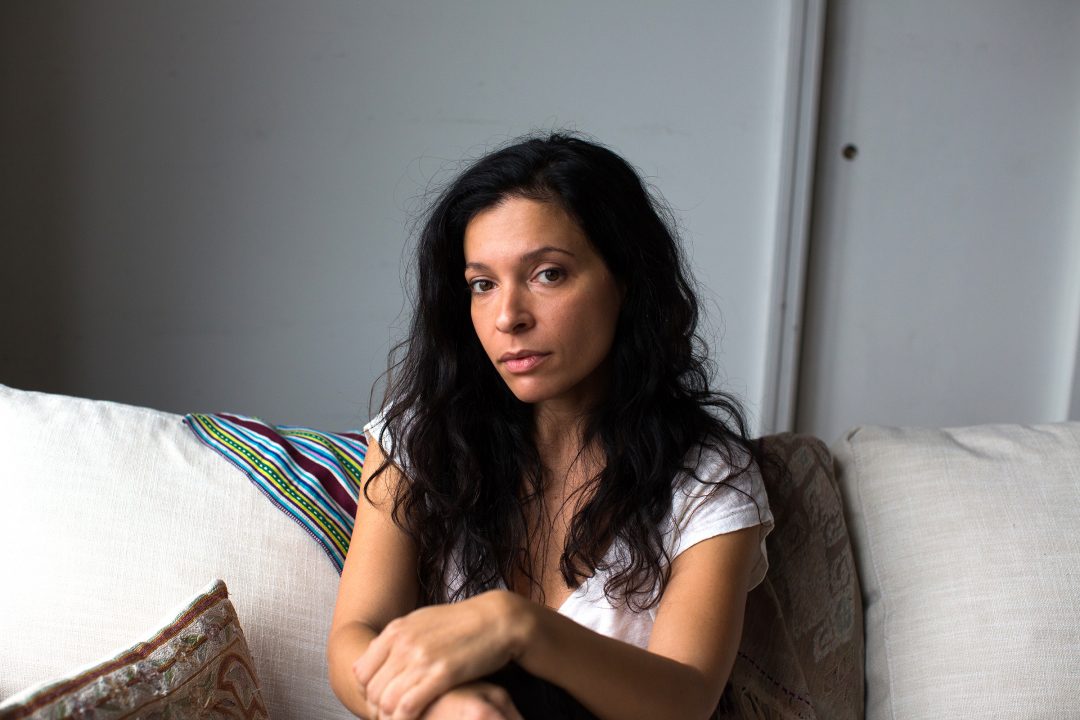
Dora McQuaid
 "There I was, a 30 year old woman, a college faculty member and owner of a sexual harassment management firm that trains government agencies, sitting on the floor in my home being beaten and held hostage at gunpoint by my former boyfriend. My Master’s thesis was on Title 7 about awareness, perception and attitudes about sexual harassment and here I was with a shotgun to my sternum, praying to stay alive. I spent my whole life telling myself I was not going to be THIS woman. But I grew up knowing domestic and sexual violence, and girls who experience domestic or sexual violence are 7 times more likely to experience it again as an adult. At one point while being held hostage, I got up and went to the sink to run cold water over my wrists because his fingernails had dug into my arms so deeply that I was bleeding. While the cold water ran over my wrists, he said, "What the fuck is wrong with you?" And I said, “You hurt me. I’m bleeding.” To which he replied, "Yeah? Well, go write a fucking poem about it.” So I did. I wrote a book of poems so that I could write it all down and then close the book on it. Then open a new book and start again. I never meant to publish it, but colleagues encouraged me to publish the book and to educate people about the pandemic of violence against women. The only way we are going to change violence against women is by addressing it again and again. So I published my poems as, the scorched earth (http://doramcquaid.com/?page_id=108), using my personal story and my voice in the public realm as one story of hope, empowerment and change."- Dora McQuaid is an award winning poet, activist and speaker. In 2012, McQuaid’s image replaced that of former Penn State coach and convicted pedophile, Jerry Sandusky, in the Inspirations Mural near Penn State, to honor her activism and her being a Penn State University alumna and former faculty member.
Erica Price
 "When I am doing street photography I think being a woman works in my favor. When I am doing photojournalism work, I'm not sure being a woman works in my favor. Most of the time when I'm shooting assignments I wish that I were a few inches taller." Erica Price is a documentary photographer based in NYC.
Emilie Richardson
 Emilie Richardson is a photojournalist whose work about veterans returning to civilian work was recently published in The Atlantic. She has also been working on a personal project about the oldest cloistered convent in New York.
"The discrimination in the field of photojournalism and the advances that editors have made toward me, has led me to want to tell women's stories. I am a woman and women are often silenced. They shouldn't be silenced, it should not be the norm."
Emilie Richardson is a photojournalist whose work about veterans returning to civilian work was recently published in The Atlantic. She has also been working on a personal project about the oldest cloistered convent in New York.
"The discrimination in the field of photojournalism and the advances that editors have made toward me, has led me to want to tell women's stories. I am a woman and women are often silenced. They shouldn't be silenced, it should not be the norm."
Nancy
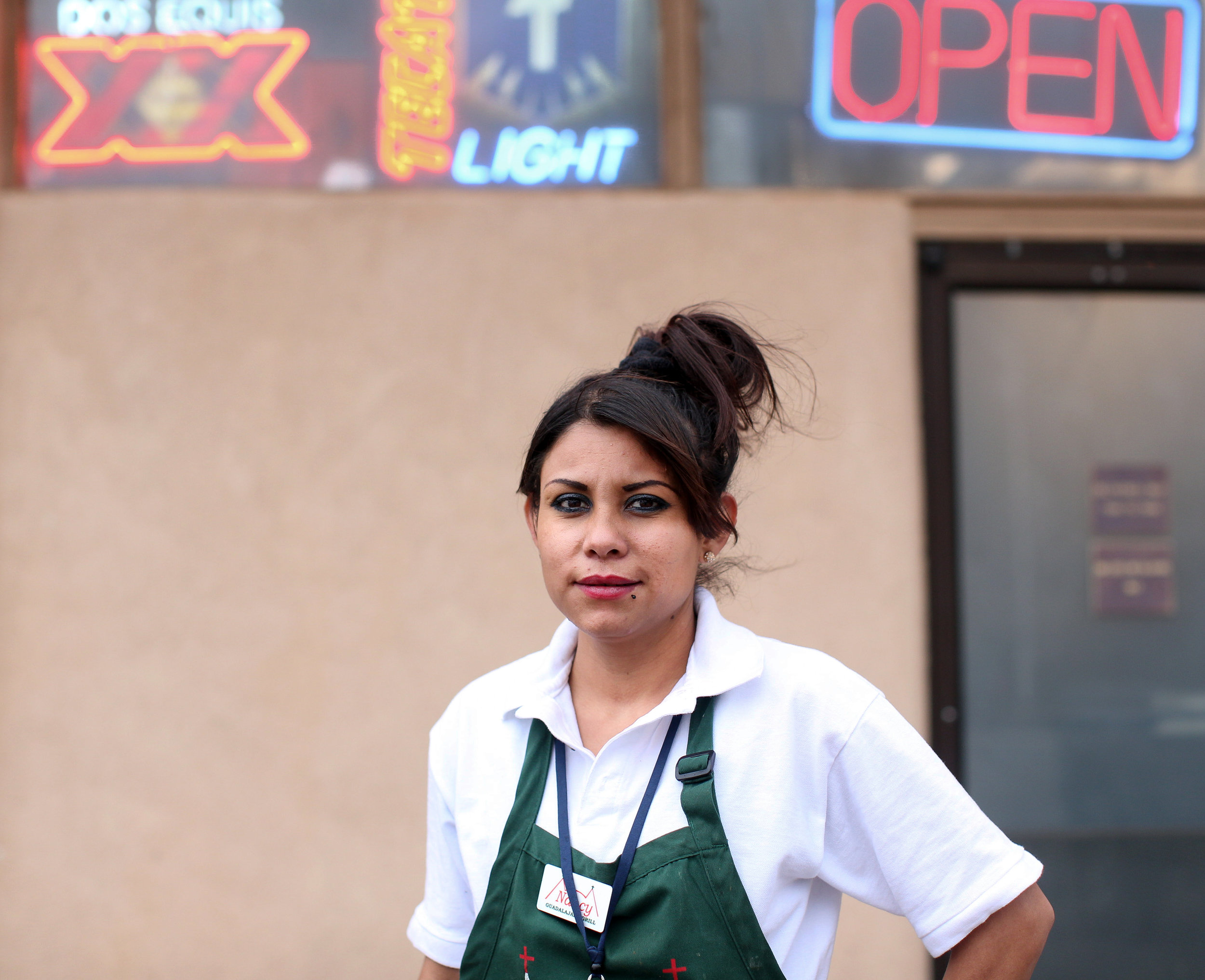 "My daughters are 9 and 12 years old. I moved here from Mexico eight months ago so that I can work and send money home to them. I'm a single mother and I can earn more money here. I'm sad without them but I will stay and work for as long as God allows me to." - Nancy is a single mother from Mexico who works as a waitress in a Mexican Restaurant in New Mexico.
Meredith Waga Perez
 Meredith Waga Perez is the owner of Belle Fleur Flower and Fragrance.
"Imagine all day you are answering the phone and talking to people who share really intimate snippets about their life - like maybe they just fell in love with another student in their Graduate School class, or their sister just got diagnosed with cancer or their neighbor's dog just died. I always want to know what the story is so I can use my artistry with flowers to capture the emotion they want to share. This job really brings out my feminine side and allows me to tap into high levels of empathy, I am like the liaison of sentiment and emotions. Here in my studio there are little love notes being passed through me everyday, some are filled with the angst of love, some are a riot and have me laughing out loud others are so sweet they leave me crying in my office."
Shareena Casterline
 Shareena Casterline owner of Madison Street BakeHouse
“I see it like this: In the past it was sort of as if women were handed an index card of life, sort of like a recipe card. The card included how you live and at some point, depending on your station in life, you had the choice to place it in one of the few recipe boxes: teacher, spinster, mother, wife. Fuck that index box. I always knew I wanted to write my own index card. Growing up in the foster care system there were so many stereotypes associated with me. My adoptive mother was a great teacher, but she was a baby boomer. She had certain ideas about my index card. I had to learn to sew, wear dresses. I think we never really bonded because I didn’t want that recipe card. I didn’t want to choose from the boxes she presented. In the last eight years, I’ve written my own recipe card for life.”
Shareena Casterline owner of Madison Street BakeHouse
“I see it like this: In the past it was sort of as if women were handed an index card of life, sort of like a recipe card. The card included how you live and at some point, depending on your station in life, you had the choice to place it in one of the few recipe boxes: teacher, spinster, mother, wife. Fuck that index box. I always knew I wanted to write my own index card. Growing up in the foster care system there were so many stereotypes associated with me. My adoptive mother was a great teacher, but she was a baby boomer. She had certain ideas about my index card. I had to learn to sew, wear dresses. I think we never really bonded because I didn’t want that recipe card. I didn’t want to choose from the boxes she presented. In the last eight years, I’ve written my own recipe card for life.”
Maritza Silva-Farrell + Luca
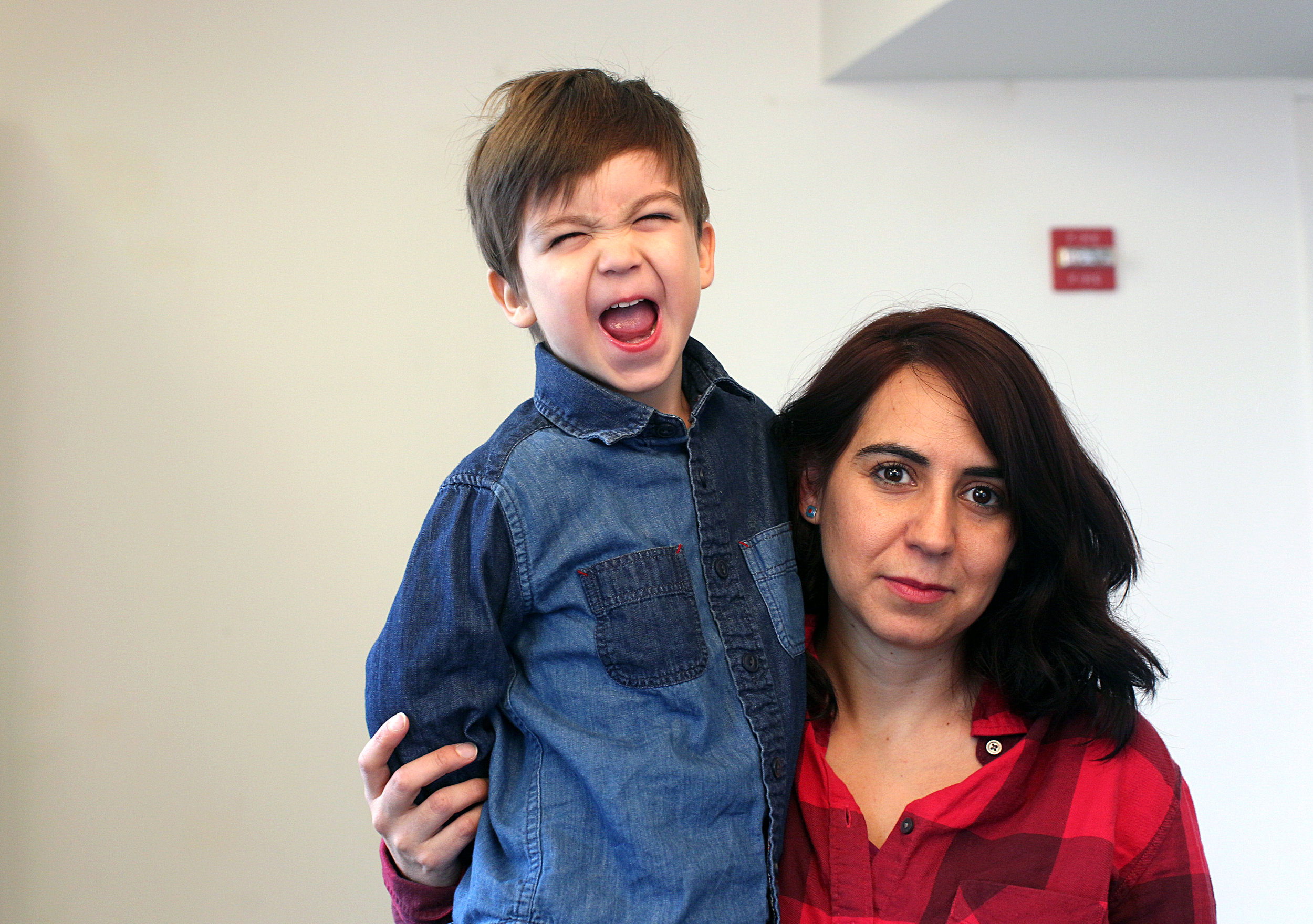 Maritza Silva-Farrell lives in Brooklyn and marched in NYC with her three-year-old son, Luca.
“Right now we are living a critical moment. We need to make it clear that the conservative agenda will undermine the rights of workers, women and the climate --things that are crucial to our survival are under attack. I am marching with my son because I want to teach him that we need to stand up for what we believe in. If I didn’t march, I would be complicit in accepting values that go against humanity.”
Dawn, Annika + Robin Tucksmith
 While the goings on in DC have me feeling disgusted - the women I meet every day in pink hats or not, inspire me.
Dawn Tucksmith (mother of four daughters and one son)
Annika Tucksmith, 21 (daughter)
Robin Tucksmith, 15 (daughter)
From Chatham, NY; all participated in the march in D.C.
*Note: Dad knit the hats for them.
Dawn: “I am going because I think it is important to let President Trump know that we are watching him. And we are going to be counted. And we are going to stand by the rights and the things that make America great.”
Annika: “I am marching to add to the number of citizens that don’t agree with his ideology.”
Robin: “I want to show him that there are a lot of us that do not agree with him.”
While the goings on in DC have me feeling disgusted - the women I meet every day in pink hats or not, inspire me.
Dawn Tucksmith (mother of four daughters and one son)
Annika Tucksmith, 21 (daughter)
Robin Tucksmith, 15 (daughter)
From Chatham, NY; all participated in the march in D.C.
*Note: Dad knit the hats for them.
Dawn: “I am going because I think it is important to let President Trump know that we are watching him. And we are going to be counted. And we are going to stand by the rights and the things that make America great.”
Annika: “I am marching to add to the number of citizens that don’t agree with his ideology.”
Robin: “I want to show him that there are a lot of us that do not agree with him.”
Jasmine Niang + Deborah Koplivitz
 Jasmine Niang, 15. (daughter)
Deborah Koplovitz, a NYC lawyer. (mother)
From NYC, both marched in NYC
Jasmine Niang, 15. (daughter)
Deborah Koplovitz, a NYC lawyer. (mother)
From NYC, both marched in NYC
Jasmine: “It’s important to feel that you are a part of something. After the election we did a walk out at my school and it was great to feel that sense of community. I think Trump should know that a lot of people don’t believe in him. Being groped is something I am already afraid of and now this is my President. I watched Hillary Clinton’s speech after the election and when she said, ‘All the little girls out there watching…,’ I cried. I didn’t expect to be so emotionally impacted.”
Deborah: “I am marching with my daughter to show our country and the world that not all Americans are in favor of the man arguably elected to be President. She and I are marching with the organization Eleanor’s Legacy to support the legacy of kickass, smart, amazing, intelligent, strong women. We had an extremely qualified female candidate and the fact that our country is still so sexist that she couldn’t be elected is horrible. If we don’t teach our sons and daughters to stop that sexism in its tracks, then we aren’t doing our jobs as parents or as citizens. When I am in court, I get called ‘little lady’ all the time. It is really time for that to stop.”